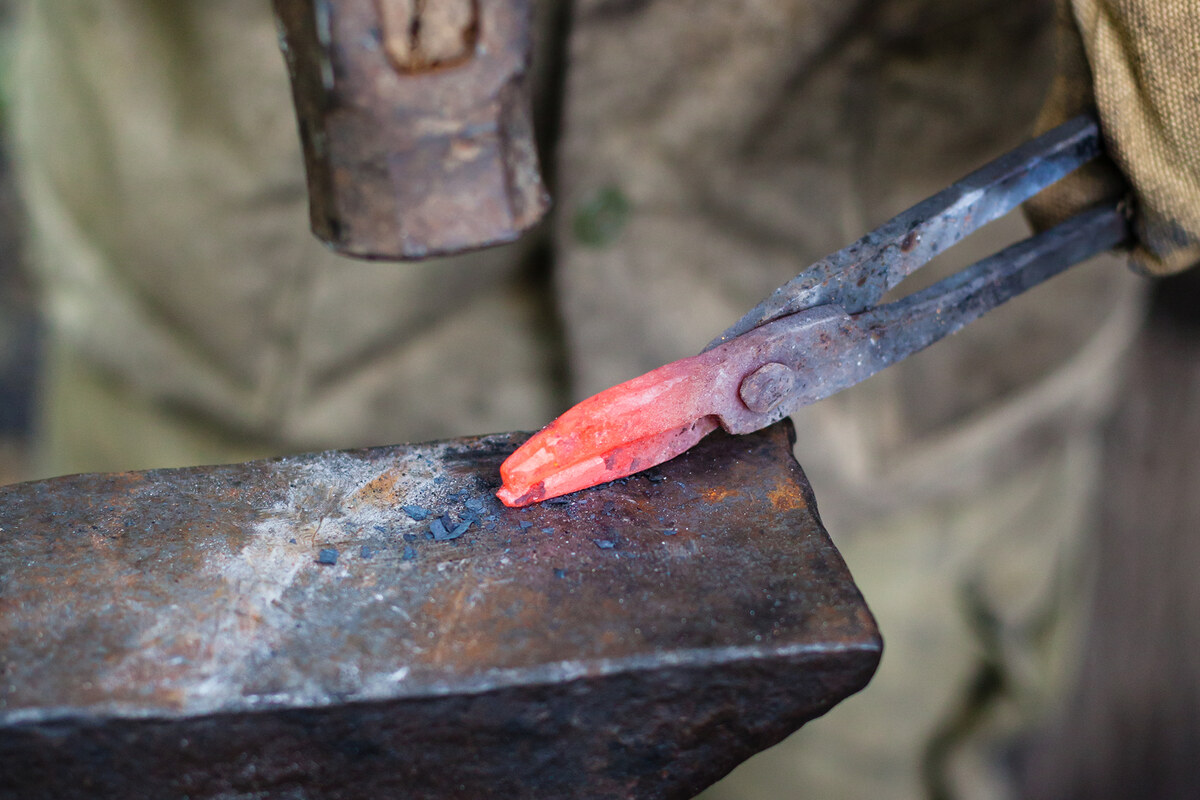
By the year 1200, a suspect’s guilt in much of Europe could be decided by whether their hand blistered after gripping a red-hot iron bar. Fifty years later, that same test was effectively dead in France. It’s tempting to picture one wise king waking up and banning it overnight. The real story took three centuries, a pope, an emperor, and one very profitable loophole nobody wanted to close.
A test built for god, not for evidence
Trial by ordeal was never really about evidence. It was a physical test whose outcome was read as a verdict handed down directly by god, guilt or innocence proven through fire, water, or a blessed piece of bread.
That only worked as long as everyone involved, priests included, accepted that god was actually watching and intervening. Once that assumption cracked, the whole system lost its footing.
The church pulls its support first
The first crack came from inside the church itself. In 819, Emperor Louis the Pious banned the ordeal of the cross, in which the accused stood with arms stretched out horizontally, tied to a post, for as long as possible. He judged it disrespectful, a way of “tempting god” rather than honoring him.
The bigger blow landed in 1215, when the Fourth Lateran Council forbade priests from taking part in the ceremonies that blessed the irons, the water, or the bread used in ordeals. Without a priest to sanctify the instruments and validate the result, an ordeal had no theological weight left at all. Courts kept using them for a while out of habit, but the ritual was already hollow.
An emperor calls it superstition
The next attack came from secular power, not the church. Holy Roman Emperor Frederick II outlawed ordeals across his territories in his 1231 Constitutions of Melfi, replacing them with procedures built on testimony and confession instead of divine intervention.
It was a strikingly modern move for the 13th century, treating guilt as something established through evidence and questioning rather than an act of god performed on command.
France finally drops the practice
France followed its own path. In 1258, an edict formally ended ordeals throughout the kingdom, replacing them with judicial inquiry and sworn testimony. On paper, trial by god was over.
In practice, the wider system of local, lord-run justice that had relied on it kept running for centuries, largely untouched by the reform.
The real reason reform crawled for centuries
Here’s the part rarely mentioned alongside the pope and the emperor: high justice, the power to try capital crimes, also gave a lord the right to seize the property of anyone executed or of suicides. That single rule turned convictions into income, and some lords were known to push cases toward guilty verdicts specifically to claim a coveted inheritance.
Reforming the method of proof was one thing. Reforming a system where local justice was also a revenue stream was another, and it explains why seigneurial courts, ordeals or not, survived so long after the theological and legal arguments against them had already won.
Seigneurial justice itself wasn’t abolished until 1790, when a new law finally replaced it with elected justices of the peace, closing out a thousand-year-old system in the one clean legislative stroke the ordeal itself never got.
The lesson isn’t really about the middle ages. Whenever an old system gets dismantled, it rarely falls to a single decree. It erodes in stages, theology first, then law, and only much later the economics that had quietly kept it alive all along.