5 facts about Castel del Monte, the castle whose soil gave us a cancer drug
No moat, no drawbridge, no known purpose, and soil that led to a chemotherapy drug. Five facts about an octagonal castle.
Continue →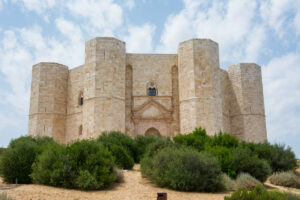
No, the Alhambra you visit today is not the palace its sultans knew
Its colors faded, its room names were invented, its domes were added then removed: the Alhambra is a medieval palace rebuilt by centuries of strangers.
Continue →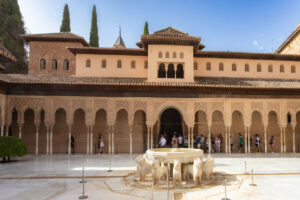
The castle that refused to surrender to England’s would-be French king
In 1216, rebel barons invited a French prince to take England's crown. Dover Castle, the Key to England, simply refused to fall.
Continue →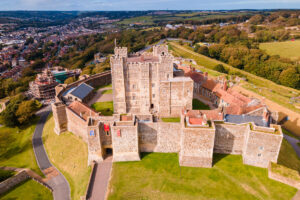
No, the Tower of London was never meant to be a prison
Its grim reputation came from 16th-century propagandists and a 19th-century novelist. In the Middle Ages, it was a palace, a mint and a zoo.
Continue →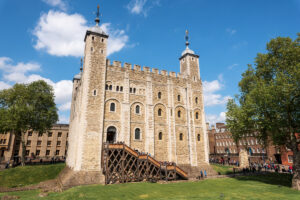
Bodiam Castle looks like a fortress but was built like a show home
Its moat could reportedly be drained in a day and its walls are full of windows: Bodiam was a castle designed above all to be admired.
Continue →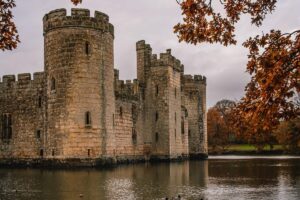
5 facts about the longest siege in medieval England, fought across a lake
In 1266, about 1,200 rebels held Kenilworth Castle for six months behind an artificial lake. Here is how the royal army finally got them out.
Continue →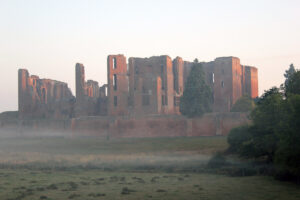
5 facts about the largest castle on Earth, sold by its own guards
The biggest castle in the world survived a siege after a crushing defeat, then its unpaid mercenaries sold it to the enemy for 190,000 florins.
Continue →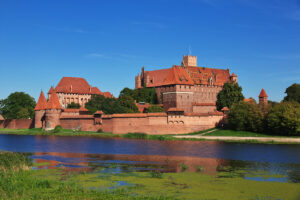
Henry V survived Agincourt, but a seven-month siege likely killed him
Henry V crushed a French army at Agincourt in hours. Six years later, a stubborn river town and the disease in his own camp did what that army…
Continue →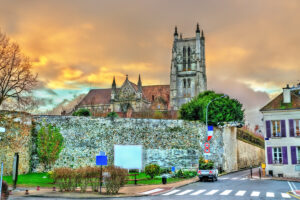
Jerusalem fell in 1099 after sailors took their own ships apart
In 1099, the crusaders had high walls to climb and no wood. Then a Genoese fleet landed at Jaffa, and its sailors began taking their ships apart.
Continue →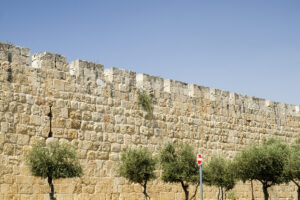
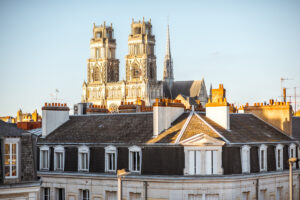
No, the English never fully surrounded Orléans
Joan of Arc didn't break a sealed ring at Orléans. The English left the east side wide open, and French convoys slipped through for months.
Continue →