In the summer of 1266, the King of England brought the largest army ever seen at an English siege to a single castle in the Midlands. Six months later, he still had not broken in.
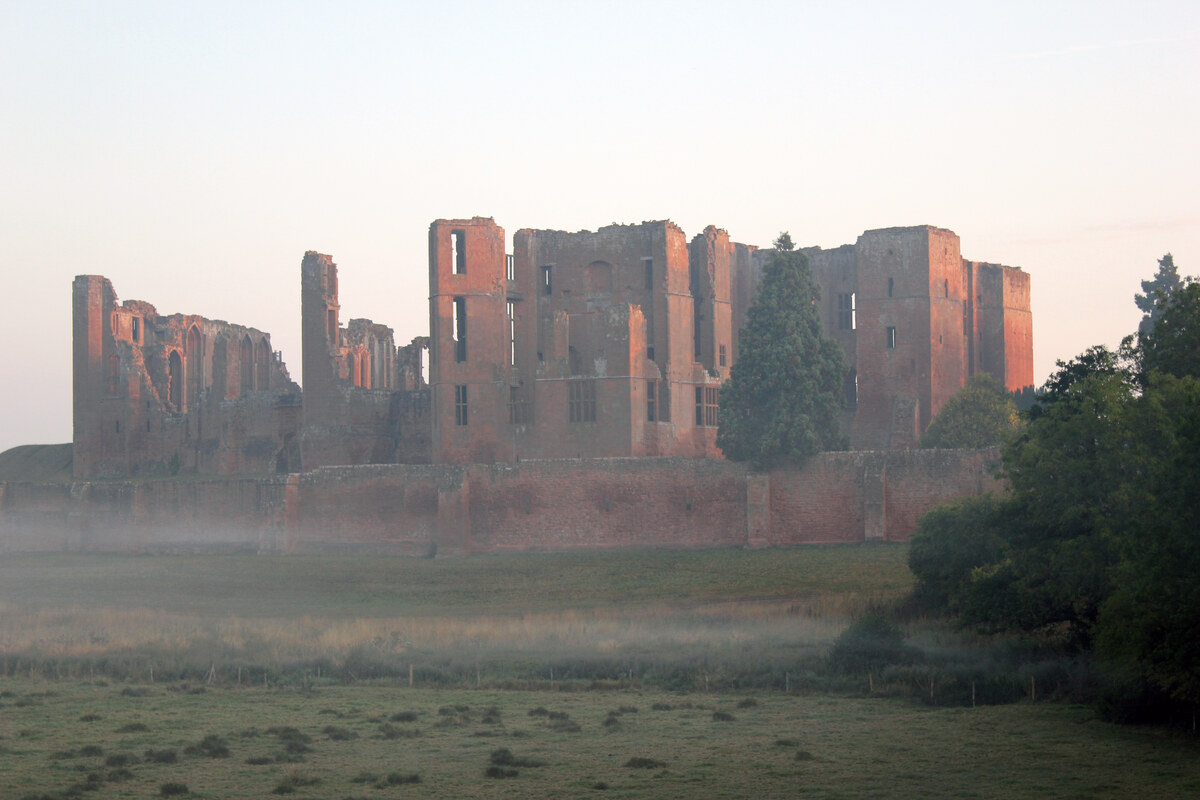
In 1266, Kenilworth Castle in Warwickshire was the last refuge of the rebels who had fought Henry III in the Second Barons’ War, and it gave the royal army a very long, very wet lesson in castle defence.
1. It is probably the longest siege in English history
The siege began on 21 June 1266 and ended in mid-December. Historian Norman Pounds called it “probably the longest in English history”, and at the time it was also the largest siege England had ever seen in terms of the number of soldiers involved.
Inside were the survivors of Simon de Montfort’s rebellion. Montfort himself had been killed at the Battle of Evesham in August 1265, but his constable, Henry de Hastings, regrouped the rebels at Kenilworth. The garrison is usually estimated at around 1,200 men.
The man leading the royal attack had a personal history with the place. In 1264, the young Prince Edward, the future Edward I, had been held hostage by the rebels at Kenilworth, in conditions chroniclers considered unduly harsh. Two years later he was outside the walls, trying to get back in.
2. The castle was protected by a man-made lake
Kenilworth’s real weapon was water. In the early 13th century, King John had the local streams dammed, creating the Great Mere, an artificial lake of around 100 acres along the south and west of the castle, plus a second pool to the east.
The only dry approach was a narrow causeway about 152 metres long, which doubled as the dam. John’s outer wall was long and relatively low, with few towers, because it was designed to be defended mainly by the water.
The royal army tried everything. Edward targeted the weaker north wall, and barges were even brought all the way from Chester for a night attack across the lake. It failed.
3. Its defenders beat a wooden tower and a war machine called the Bear
The besiegers built enormous siege engines. The chronicler William de Rishanger describes a wooden tower ordered by Edmund, the king’s other son, “very costly, and of astonishing height and breadth”, holding two hundred crossbowmen or more in separate compartments.
The defenders answered with a mangonel of their own, which kept hurling stones until the tower was shattered. Another royal machine, so large it was nicknamed “the Bear”, was hit back so hard that it was knocked out of action for a long time.
The lake also kept the royal trebuchets too far from the walls to do much damage. Heavier trebuchets had to be sent for from London.
4. The rebels were offered their lands back and still refused
With force failing, the papal legate Ottobuono pushed Henry III towards compromise. In August, the king summoned a parliament at Kenilworth itself, while the siege was still going on, and a committee of bishops, earls and barons drafted a peace deal.
The Dictum of Kenilworth, published on 31 October 1266, let the disinherited rebels buy back their confiscated lands. Most were fined five times the annual yield of their estates. Henry de Hastings, the commander inside Kenilworth, was singled out for a harsher rate of seven times.
The garrison refused the terms and held out for another six weeks. In the end it was hunger and disease, not siege engines, that forced them to surrender in mid-December 1266.
5. Its stone ammunition is still being dug up
In June 2024, during works to improve access for pedestrians and wheelchair users, eight 13th-century catapult shots were found in the castle grounds. They weigh between 1 kg and 105 kg and have been dated to the 1266 siege.
Because “these shots were found pretty much where they would have fallen”, explained Cathy Coutts of Archaeology Warwickshire, researchers have been able to work out where the siege camps around the castle may have stood.
From battlefield to jousting arena
The lake that defeated a king did not go to waste. Kenilworth’s water defences went on to influence later castles in Wales, most notably Caerphilly. And in 1279, the causeway the royal army could never force became the stage for “the Round Table”, a three-day tournament in which a hundred knights competed in imitation of the Arthurian legends.
The Great Mere has since been drained and turned into meadow. Standing on the dry grass today, it is hard to picture the stretch of water that once held the whole might of England at bay for half a year.