Long before European knights swore any oath of chivalry, warriors in Arabia were already living by an almost identical code of honor, formed centuries earlier and completely on its own.
A code that didn’t start in Europe
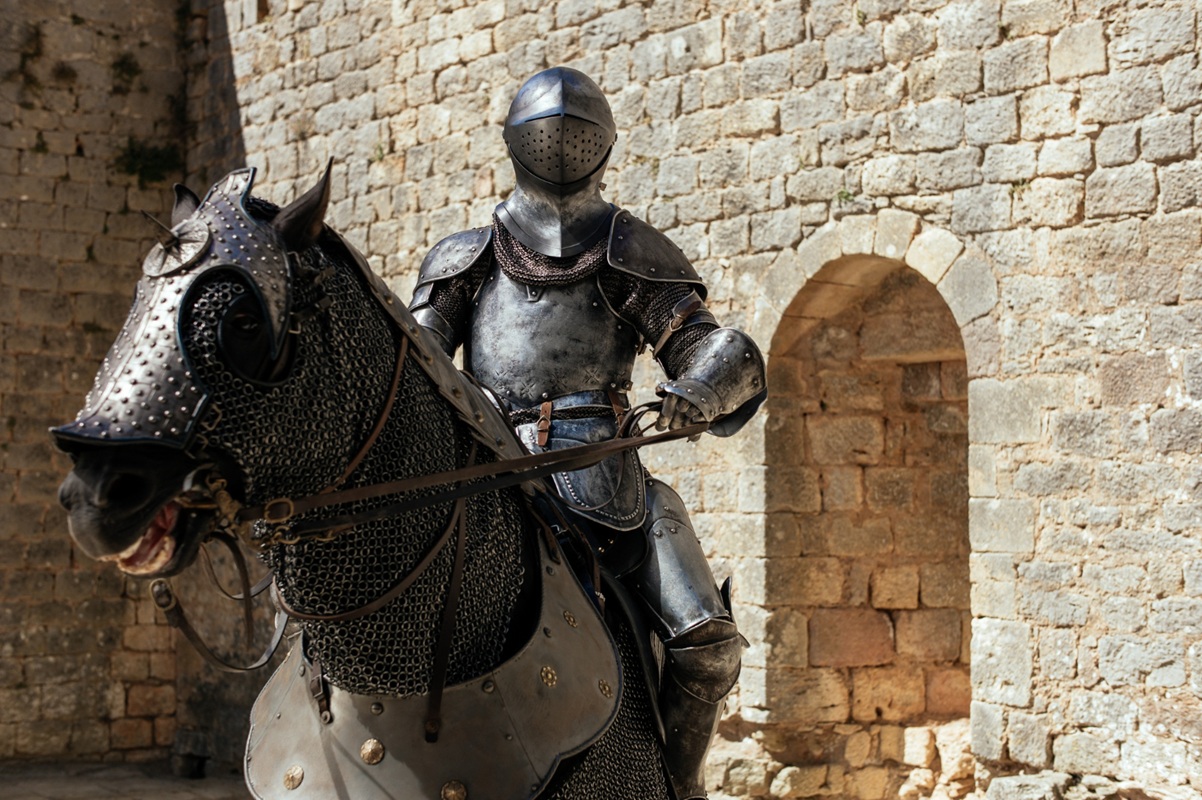
European chivalry, as a warrior class bound by an ethical code, took shape gradually between the 11th and 15th centuries. It fused martial ideals with Christian values and courtly refinement, and its most famous names, Charlemagne’s cavalry, later the knights of the Crusades, are the ones history remembers first.
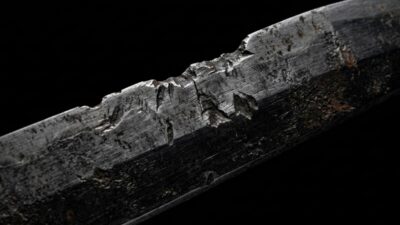
A strikingly similar warrior code, furusiyya, had already existed in Arabia since the 7th century. It prized courage, generosity, loyalty, and discipline, the exact same virtues later credited to European chivalry, and it needed no contact with Europe to take shape.
The same virtues, discovered independently
Furusiyya went through its own revival under the Ayyubid dynasty, precisely during the era of the Crusades, when European and Middle Eastern warrior cultures were suddenly forced into direct contact with one another.
Neither side invented the other’s code. Two societies, separated by geography and by centuries of history, arrived at nearly the same definition of what an honorable warrior should be.
In Europe, that definition didn’t come naturally either. The Peace of God movement of the 10th and 11th centuries pushed knights toward a protective role, shielding women, clergy, and peasants, and turning raw military force into something that at least claimed a moral purpose.
A door that slowly closed
For a while, becoming a knight in Europe was a matter of skill and opportunity as much as birth. That changed by around 1250, when chivalry fused permanently with nobility. From that point on, a knight’s title required noble blood, closing off a path to advancement that had been realistically open barely two centuries earlier.
The military orders, the Templars, the Hospitallers, the Teutonic Knights, offered one narrow way around that: a life combining monastic vows with martial service, born out of the need to protect pilgrims heading to the Holy Land after 1099.
Behind the word knight is just a horse
Even the word chivalry hides a small twist. It comes from the Latin caballarius, meaning horseman, itself borrowed from a Gaulish word for a draft horse. The first men who carried that name weren’t defined by their virtue at all, only by what they rode.
The moral code came later, layered onto an identity that had started out as nothing more than a job description: cavalryman.
An idea too useful to disappear
Chivalry’s military relevance ended in the 15th century, replaced by professional armies and firearms. Its code did not. European monarchies kept its rituals alive through honorific orders, titles some countries still award today, long after the last knight rode into real battle.
Furusiyya and European chivalry never needed each other to exist, and neither one needed to survive as a fighting force to leave its mark. Two very different worlds reached for the same idea of honor at almost the same time, entirely on their own.