In medieval Europe, a pig could be formally charged with destroying property, put on trial before a court, and sentenced for it. That was not even the strangest way medieval justice decided guilt. Long before fingerprints or forensic evidence, courts across Europe relied on a handful of methods that ranged from brutal to absurd, and from a certain angle, made a strange kind of sense.
Justice itself was far more organized than its reputation suggests. France alone had an estimated 20,000 to 30,000 seigneurial courts before the Revolution, each one ruled by a prevot, bailiff or seneschal, assisted by a prosecutor and a clerk who recorded every judgment in writing. Crimes were sorted into three tiers, from capital offenses down to small debts and farming disputes. Inside that surprisingly structured system, these five methods of proving guilt operated as official procedure.
Trial by fire
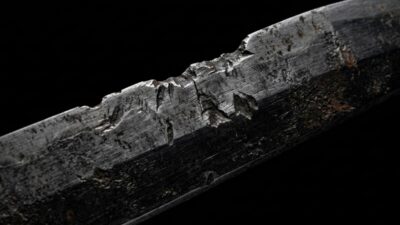
The accused carried a bar of red-hot iron nine paces, or walked barefoot across burning coals. Some were made to pass between two crossed bonfires without catching fire.
The burn was bandaged and examined three days later. A wound that healed cleanly meant God had protected an innocent person. One that festered meant guilt, no further evidence required.
Trial by water
The cold water ordeal rested on a specific piece of theology. Water was the element of baptism, so it was believed to “reject” the guilty and “accept” the innocent.
In practice, a bound suspect was lowered into a pond or river. Floating proved guilt. Sinking proved innocence, which meant an innocent person had to be pulled out fast enough not to drown while being proven right.
Trial by bread and cheese
This one looked almost gentle by comparison. The accused had to swallow a blessed piece of bread and cheese in a single attempt. Choking counted as proof of guilt.
The outcome depended entirely on how anxious the suspect was standing in front of a judge. Someone innocent but terrified could easily choke. Someone calm and guilty could swallow without any trouble at all.
The judicial duel
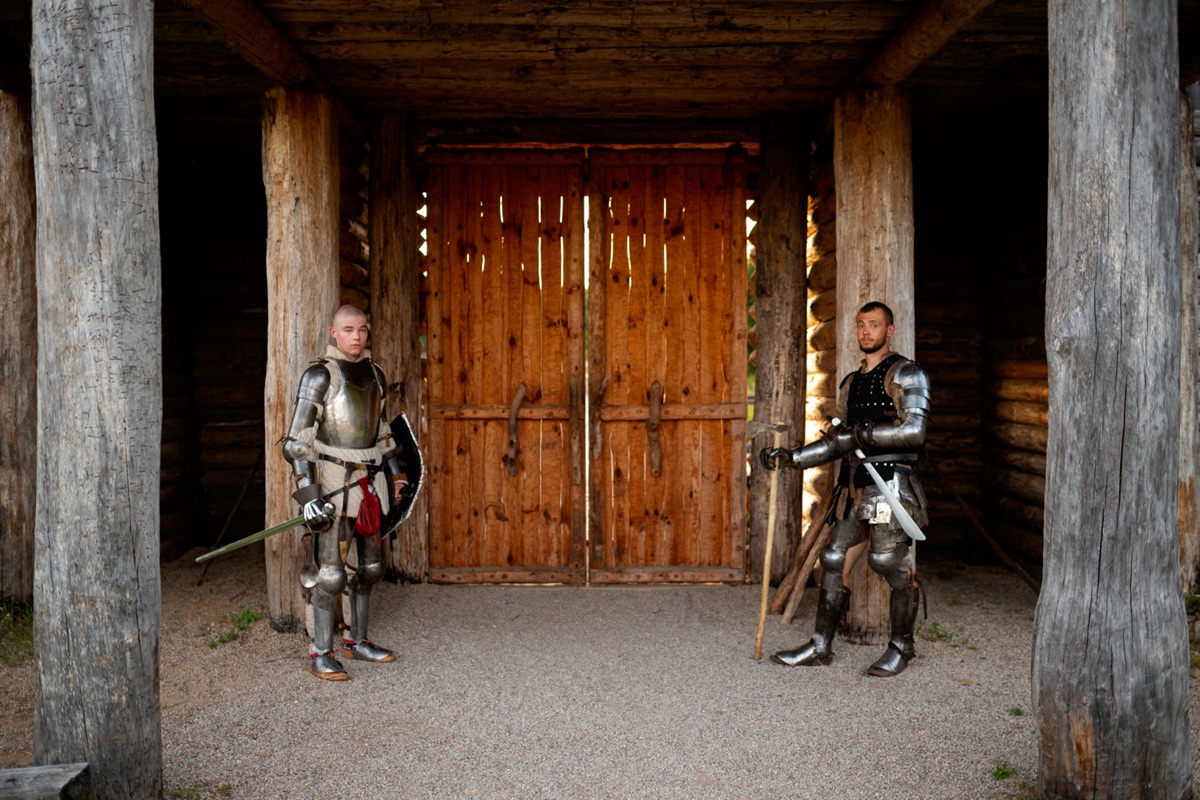
Disputes could also be settled with a fight. Two parties, or champions hired to stand in for them, battled it out, and the winner was assumed to have the law on their side.
Nobles, the elderly, the sick and women could pay a professional fighter to duel in their place, creating a legal market for hired combat. The last official judicial duel in France took place on 10 July 1547, between Guy de Jarnac and Francois de Vivonne. Jarnac won with a sudden blow to the hamstring nobody saw coming, and “coup de Jarnac” has meant an unexpected, decisive strike in French ever since.
Animal trials
Some defendants in medieval courts were not even human. Pigs, rats and caterpillars were formally tried before ecclesiastical courts in the 14th and 15th centuries for destroying crops or injuring people.
It sounds absurd, but it reflects something coherent. In a worldview where moral order extended to the whole of creation, holding an animal accountable in court was not a joke, it was consistent logic applied a little too literally.
Why it all stopped
None of this lasted forever. In 1215, the Fourth Lateran Council banned priests from taking part in ordeals, stripping them of the religious legitimacy they depended on. In 1258, Saint Louis outlawed the ordeal across France entirely, replacing it with judicial inquiry and witness testimony, one of the most lasting reforms of his reign.
Strip away the strangeness, and these methods were attempts to solve a problem courts still face today: proving what happened when no one can be completely certain.