A stamp that carried the full weight of a signature
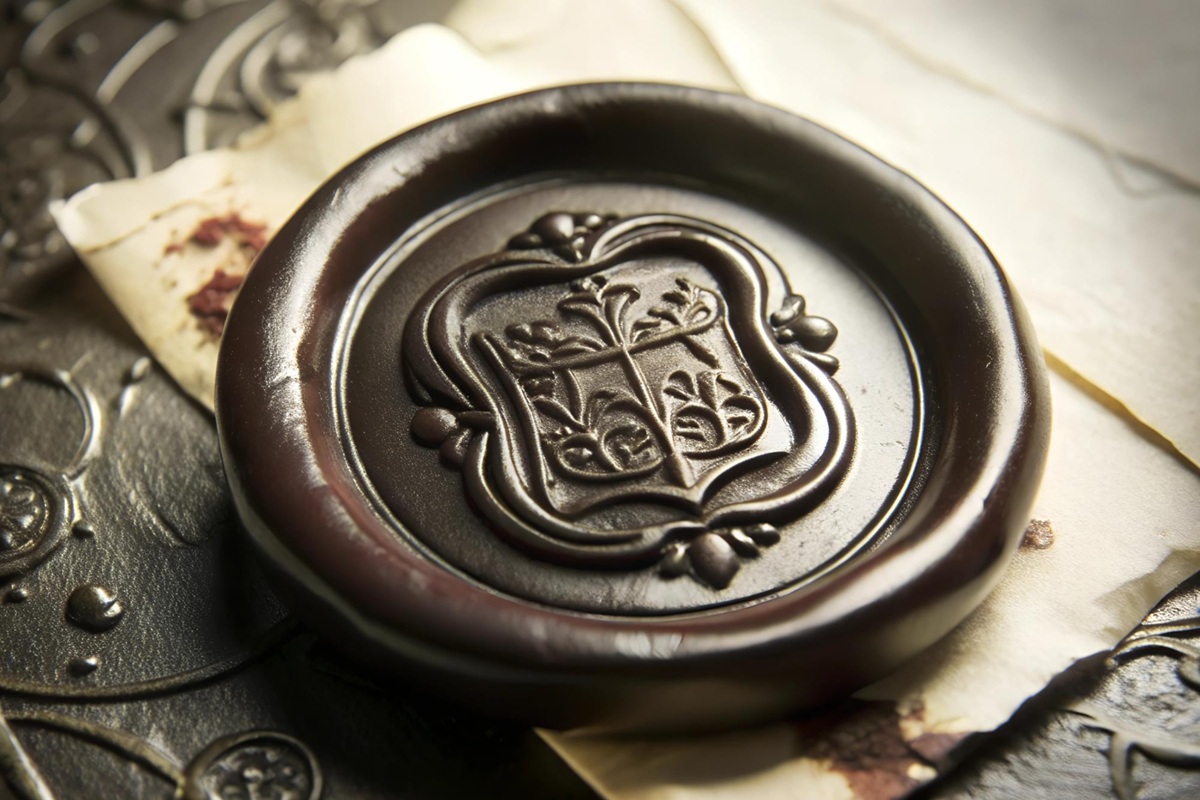
The medieval seal wasn’t a decorative flourish. It was the main tool used to authenticate documents across Europe, doing the job that a signature, a notary’s stamp, and a certified letter all do today, at once.
Sigillography, the discipline dedicated to studying seals, treats them as legal instruments in their own right. Using someone else’s seal without permission wasn’t a prank. It was a serious crime, with dedicated legal procedures covering how seals were made, used, and destroyed.
Not just for kings and popes
It’s tempting to imagine seals as something reserved for monarchs and the Church. By the 12th and 13th centuries, that had already changed.
Lords, cities, abbeys, merchant guilds, and even wealthy private individuals all had their own seals. So many people were sealing documents that authorities tried, without much success, to limit who was allowed to do it.
A color code hidden in plain wax
Starting in the 12th century, the French royal chancery colored its wax seals according to a strict code. Green wax meant the document held perpetual value. Yellow marked routine administrative acts. Red was reserved for private letters.
The materials mattered just as much as the color. Metal seals, called bulls, used gold for imperial chanceries, silver for royal ones, and lead for documents from the papacy. A glance at a seal told a medieval reader exactly what kind of document, and what kind of authority, they were holding.
Why losing one was a genuine disaster
Here’s where the comparison to a lost passport starts to feel too generous. If a medieval lord lost his personal seal, he couldn’t simply report it and wait for a replacement.
He had to commission an entirely new matrix, then formally notify every single correspondent that his old seal was now void, or risk someone using the original to forge contracts, debts, or letters in his name. There was no central database, no revocation list, just letters sent one by one, racing against whoever might have picked it up.
Some seal matrices were so elaborately engraved, with entangled dragons, miniature architecture, or full narrative scenes, that a skilled goldsmith needed months to carve just one. Losing that kind of investment made the stakes even higher.
Objects that outlived their owners
France’s National Archives now hold the largest collection of seal matrices in the world. Among them are matrices that were never used at all, their owners died before they ever pressed one into wax.
Each one is a small, frozen moment: a person important enough to commission a personal seal, cut short before it ever authenticated a single document.
The ancestor of your signature
By the 16th century, the balance was already shifting. In 1554, Henri II made signatures mandatory for notaries in France, a decision that slowly turned the seal from a legal necessity into a ceremonial relic.
The habit didn’t disappear. It transformed. Every signature at the bottom of a modern contract, every notarized document, traces its authority back to a wax and metal system built to answer the same question medieval Europe faced constantly: how do you prove, beyond doubt, that something really came from you?