Of the 111 known chansons de geste, France’s medieval epic poems, 60 of them belong to a single cycle built entirely around noble families rebelling against their own king. That is more poems than the cycles glorifying Charlemagne and Guillaume d’Orange put together.
What a chanson de geste actually was
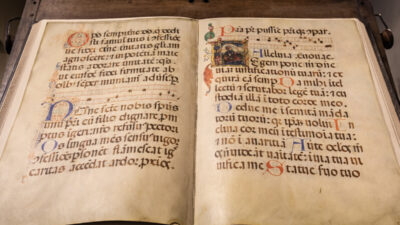
A chanson de geste was a versified epic poem recounting the exploits of heroes, mostly set in the Carolingian era, composed between the 11th and 15th centuries in the langue d’oïl of northern France.
These poems were written in decasyllables, later alexandrines, grouped into laisses: stanzas of variable length sharing the same final assonance. The form existed to be memorized and sung aloud, not read silently.
Their heroes were never simply human. Every one was noble, superhumanly strong, and defined by absolute loyalty to God and to a lord.
The genre also blended three kinds of material without much distinction: real oral memories of the past, free embellishments layered on top, and pure invention presented as history. Medieval audiences did not necessarily separate the three.
Three cycles, three very different loyalties
The genre split into three major cycles. The Cycle of Charlemagne counted 27 works and cast the king as a near-sacred, almost divine ruler.
The Cycle of Guillaume d’Orange, 24 works, told a different story: heroism built on family pride and independence rather than pure obedience to the crown.
Then came the Cycle of Doon de Mayence, 60 works, more than the other two combined, entirely centered on feudal nobles revolting against royal authority.
Epic poetry doubled as propaganda
These poems were not neutral entertainment for medieval crowds. They also worked as propaganda, glorifying the crusades, feudal loyalty, and the aristocracy as the only class fit to be a hero.
Which makes the size of the Doon de Mayence cycle genuinely strange. The genre most associated with loyalty to the crown built its biggest cycle around defying that very crown.
It suggests medieval nobility’s relationship with royal power was far less settled than the loyal-knight stereotype implies. Nobles wanted their class glorified as heroic, even when heroism meant standing against the king.
A genre that traveled far beyond France
Chansons de geste did not stay French. Production peaked between 1050 and 1150, and the genre kept spreading for centuries after.
Spain produced its own epic, the Cantar de mio Cid, before 1200. Italy developed a Franco-Venetian literary tradition of its own, including the Entrée d’Espagne, written between 1330 and 1340.
By the 14th and 15th centuries, chansons de geste were being rewritten in prose and printed as popular romances, carrying the same rebellious cycle to new readers long after the form had first taken shape.
Beyond the death of Roland
Most people who know one chanson de geste know the Song of Roland, the story of a nephew of Charlemagne dying for his king at Roncevaux.
But Roland’s loyalty was only half the genre’s story. For every poem about dying for a king, medieval audiences were just as hungry for one about defying him.