In 885, a Viking fleet surrounded Paris. There was no clash of armies in an open field, no single decisive charge. Just two years of siege that eventually toppled a king.
The myth of the great pitched battle
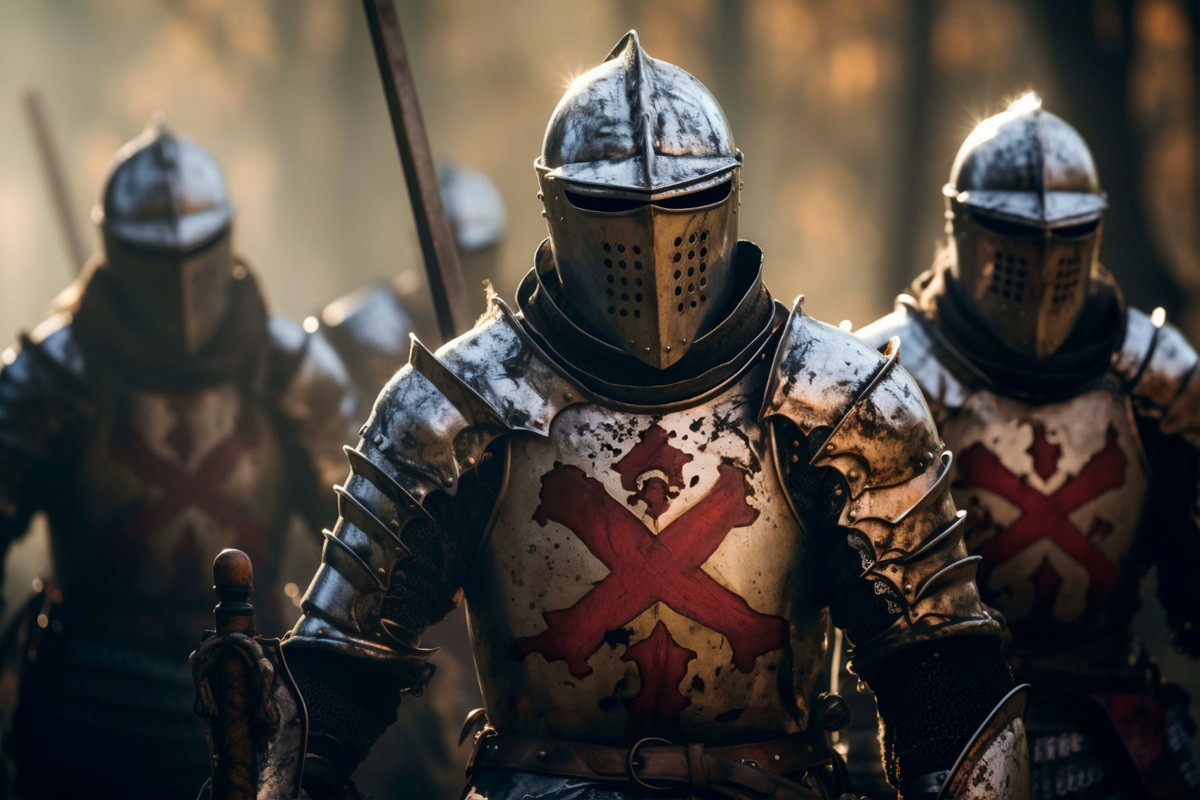
Popular culture loves the image of medieval war as one massive collision: two armies lined up across a field, trumpets sounding, a single afternoon deciding everything.
That is not how medieval warfare actually worked. Wars were fought almost entirely as a mix of sieges and chevauchées, destructive raids meant to surprise and exhaust an enemy rather than meet them head on.
Open pitched battles like Crécy or Agincourt did happen, but they were the exception, and often unplanned by either side.
What a real medieval war looked like
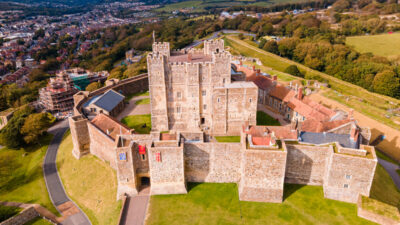
A siege meant surrounding a fortified place and cutting it off from any outside help, forcing surrender through starvation rather than combat.
Attackers combined several methods at once: sapping (digging to collapse a wall), mining (burning support beams underground to bring down fortifications), siege engines, and direct escalade.
The trebuchet was the deadliest siege weapon of the era, capable of hurling stones weighing hundreds of kilograms with enough accuracy to methodically demolish a wall, section by section. Medieval engineers had actually abandoned the old torsion catapult of antiquity, finding it useless in wet weather and far weaker than the counterweight trebuchet they built instead.
The hidden defenses inside the walls
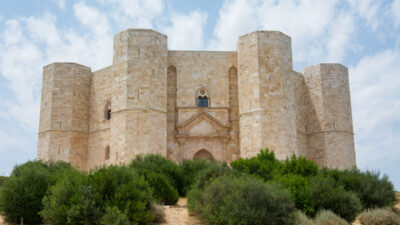
Sieges were not only won or lost from the outside. Many castles were built with underground tunnels that let defenders escape unnoticed or smuggle in supplies despite a full blockade.
Some fortresses also relied on labyrinth-like corridors with deliberately irregular steps, designed to slow down and disorient any attacker who managed to break through the walls.
The two-year blockade that brought down a king
The siege of Paris in 885 shows exactly how this kind of war actually played out. Viking forces used wooden siege towers, battering rams and throwing machines against the city’s defenses.
The city held for two years. When the Carolingian king Charles the Fat finally paid the Vikings to lift the siege instead of defeating them, the decision became a political scandal.
That single payment helped trigger his downfall, and cleared the way for the rise of the Capetian dynasty that would rule France for centuries.
Winning a war without ever fighting one
Genghis Khan applied the same siege-first logic on a continental scale. Rather than attacking the strongest fortresses of an enemy territory first, Mongol forces deliberately targeted weaker towns.
This cut off communication between fortified cities and flooded the larger ones with refugees, draining their food and resources long before any final assault began.
The strongest walls in the world meant little if the war was already won through starvation and isolation before a single arrow was fired at them.
Why the movies remember it differently
A single dramatic battlefield clash makes for a better story than months of blockade and negotiation, so it is what gets remembered and dramatized centuries later.
But for the people actually living through medieval warfare, the real threat was rarely an army on the horizon. It was a siege that could last for years, decided as much by patience and logistics as by any weapon.