In 1199, a single crossbow bolt killed a king of England, fired from the ramparts of a small French castle by a man whose name barely survived history.
The day a king died from one shot
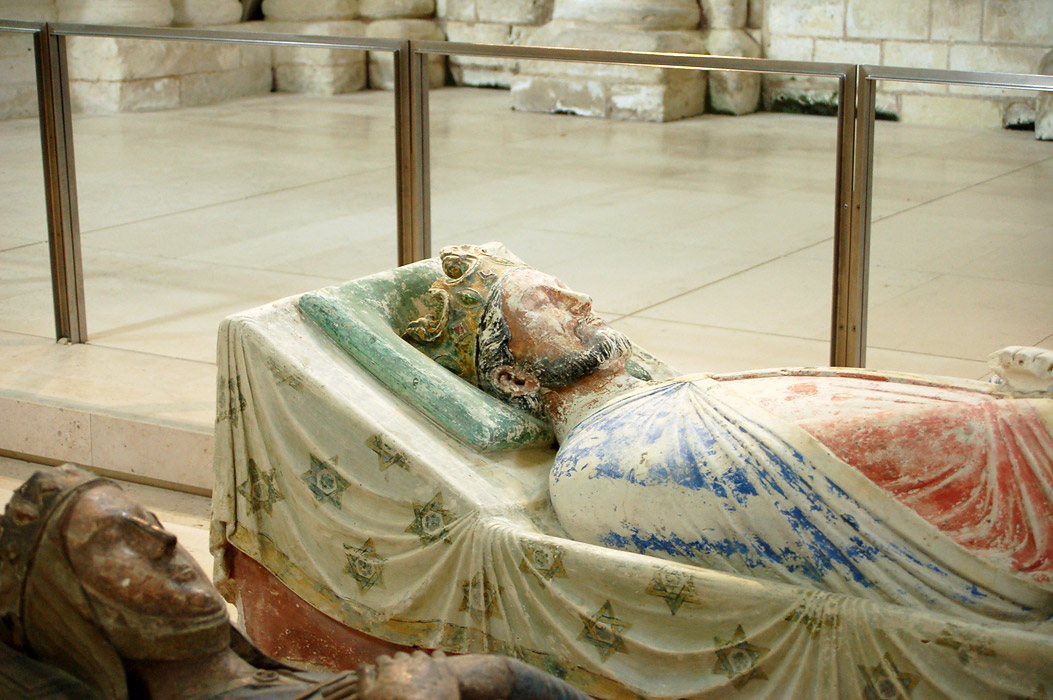
Richard the Lionheart was besieging the castle of Châlus-Chabrol, in Limousin, when a crossbowman on the walls fired a bolt that struck him. The shooter, a man remembered only as Pierre Basile, hit his target from the ramparts during what should have been a minor siege.
Richard reportedly pardoned Pierre Basile before he died from the wound. The king’s death changed the balance of power in France and helped clear the way for the rise of Philippe Auguste, his great rival.
The weapon the church tried to outlaw
Fifty years before Richard fell, the Second Lateran Council had already tried to get rid of crossbows entirely. In 1139, the council banned the weapon in wars between Christians, branding it “really diabolical.” Pope Innocent II went further in 1143, threatening excommunication for anyone who used one.
The ban barely mattered. Both Richard and his rival Philippe Auguste built dedicated crossbow units, openly ignoring the papal anathema because the weapon’s battlefield advantage was simply too valuable to give up.
The clergy’s objection went beyond theology. A crossbow let “a coward kill the most valiant man without risk,” which struck at the heart of chivalric values built on individual courage in close combat.
A weapon that inspired wild rumors
Byzantine historian Anne Comnène described the crossbow in her chronicle the Alexiad as a weapon capable of piercing a bronze statue and burying itself in city walls. The claim was an exaggeration, but it reveals how much terror the weapon inspired in people who watched it work.
The real numbers were dramatic enough on their own. A crossbow bolt could reach speeds of up to 350 km/h, punching through shields, mail armor, and even early plate armor at close range.
The flaw that limited it on open battlefields
For all its power, the crossbow had a serious weakness: speed. A skilled archer with a longbow could loose ten to sixteen arrows a minute. A crossbowman managed only two to four bolts in the same time, leaving him exposed during the long reload.
That gap proved disastrous at Crécy in 1346. French commanders sent in Genoese crossbow mercenaries instead of using archers alongside them. The Genoese were exhausted from a long march, and their bowstrings had gone damp in the rain. English longbowmen, whose hemp strings actually stiffened in wet weather, cut them down before they could properly fire back.
An arms race that outlived the weapon
The crossbow stayed in military use for centuries after Richard’s death, slowly fading out in the 1500s as firearms proved cheaper to produce and far easier to train soldiers to use. But for nearly four hundred years, it remained one of the most feared weapons in Europe, banned by popes, ignored by kings, and powerful enough to end the life of a man who had survived crusades and countless sieges before a single bolt found him on the walls of Châlus-Chabrol.