A pound divided into twenty shillings, each shilling worth twelve pence: that exact system, invented by Charlemagne in the 8th century, was still used at British checkouts until 1971. It is one of seven medieval inventions still quietly shaping daily life today.
The wind turbine’s medieval ancestor
The windmill arrived in Europe in the 12th century, with the first documented French mention appearing in a 1170 charter from the city of Arles. Feudal lords tried to claim a “wind tax,” arguing the wind blowing over their land belonged to them, until a 1779 ruling declared wind a free element belonging to everyone. The same basic principle, turning wind into mechanical power, still drives the turbines spinning across modern wind farms.
The plough that still shapes modern farms
Between the 10th and 13th centuries, the mouldboard plough transformed European agriculture by turning the soil to one side instead of merely scratching it like the ancient araire. The design was so effective, and so expensive, that it usually required eight oxen and the pooled resources of several families to operate. Modern ploughs still follow the same asymmetrical principle that made medieval fields so much more productive.
The pedal loom hiding behind your sewing machine
A Chinese invention transmitted to medieval Europe, the pedal loom let weavers lift different threads automatically by foot, producing far more complex textile patterns than earlier looms allowed. A 14th-century relief by the sculptor Andrea Pisano, still preserved on Florence’s bell tower, shows the mechanism in detail. The same foot-pedal logic survives in treadle looms and sewing machines made centuries later.
Chess rules nobody has touched since 1470
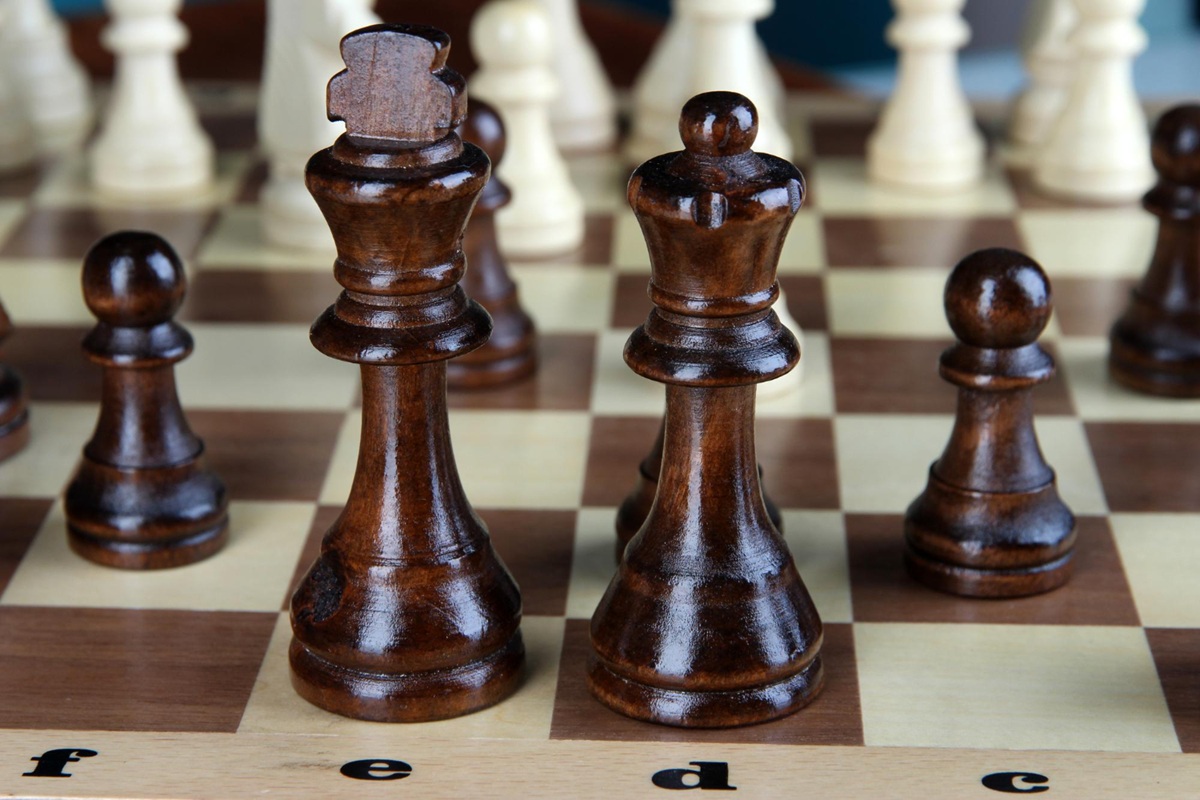
Chess reached Europe around the year 1000, most likely through Muslim Spain or southern Italy, and the oldest Western reference to it is a Latin poem written between 900 and 950. Everything changed after 1470, when Spanish or Italian players transformed the old vizir piece into the all-powerful queen and widened the bishop’s reach, speeding up the entire game. Those rules, unchanged for more than 550 years, are exactly the ones played today.
Tennis terms born on a stone court
Jeu de paume, the direct ancestor of tennis, moved into indoor halls called “tripots” during the 14th century, and by 1596 Paris alone counted around 250 of these courts employing 7,000 people. The game crossed into England after the Duke of Orleans, held captive at Wingfield Castle following Agincourt, introduced it during his 25 years of captivity. Centuries later, the basic court and scoring concept still anchor the modern sport.
The currency system Britain used until 1971
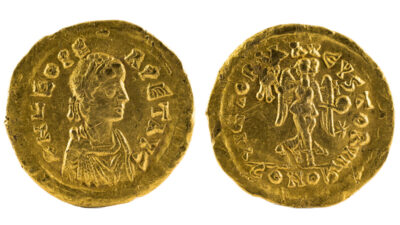
Charlemagne’s monetary reform fixed twelve deniers to one sou and twenty sous to one livre, a ratio so durable it shaped European money for nine centuries. Britain’s pounds, shillings and pence followed exactly this structure until decimalisation in 1971 finally retired it. For over a millennium, anyone making change in Europe was still doing Charlemagne’s arithmetic.
Why your dinner knife has a rounded tip
Before the individual fork became common, the knife doubled as Europe’s universal eating utensil, with each guest bringing their own to the table. By the 14th century, table knives began losing their sharp points specifically to distinguish them from weapons, a shift that gave the dinner knife its now familiar rounded tip. The knife in a modern place setting still carries that medieval safety decision.
From wind power to a queen’s move on a chessboard, none of these required reinvention. They simply never stopped working, which says more about medieval ingenuity than any myth about a “dark” age ever could.