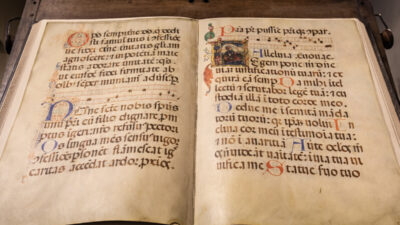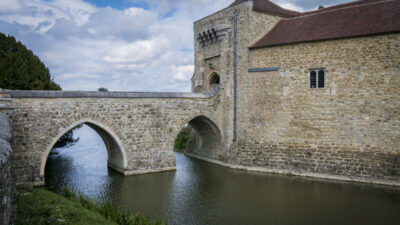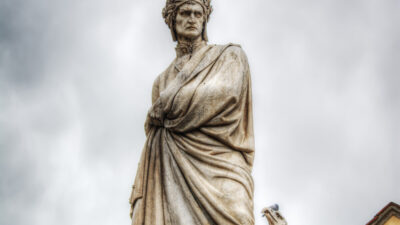
A monk in a freezing French abbey once stopped copying a manuscript just long enough to scrawl in the margin: “I am very cold.” Centuries later, that single complaint survived better than most of the books he wrote.
Not the grand hall you picture
Drop the image of a vast, sunlit chamber lined with rows of monks bent over identical desks. Real scriptoria built as dedicated collective workshops were actually rare in medieval monasteries.
Most copying happened in carrels, small individual niches carved into the cloister galleries, or in monks’ own cells, or in shared rooms used for other tasks too. The “scriptorium” was often less a place than a function, scattered across whatever quiet corner a monastery could spare.
And not every monastery even had one. Only around fifty major establishments in Europe, Saint-Gall, Monte Cassino, Cluny, Corbie, Fleury among them, produced manuscripts regularly and at scale. Smaller houses simply borrowed the books they needed and copied them before sending them back.
One man controlled the gold and the schedule
Every active scriptorium answered to an armarius, usually the monastery’s librarian or sacristan. He assigned the work, guarded the precious materials, ink, pigment, gold leaf, and checked the quality of every finished page.
That gold leaf had to go down first, before any paint touched the parchment, because pigment simply would not stick on top of it. Among the pigments themselves, lapis lazuli imported from Afghan mines for the blue was priced close to gold itself.
A single luxury manuscript, a decorated psalter of around 150 pages, could swallow one to two years of an illuminator’s full-time work alone, before counting the time spent preparing the parchment, copying the text, and binding the finished pages.
The scribes were not silent machines
It is tempting to picture monk-copyists as mechanical hands, reproducing text without understanding a word of it. The colophons, the notes scribes left at the end of a finished manuscript, tell a different story.
Some recorded the date, the place, their own name. Others let their guard down completely: “Nobody knows the work this took,” wrote one. “Cursed be the hand that wrote so badly,” wrote another, judging someone else’s sloppy work. One scribe, finishing a particularly long job, simply noted that the wine had been good.
Plenty went further than venting. Many added corrections, marginal commentary, and explanatory glosses to the texts they copied. Bede the Venerable wrote his own Historia Ecclesiastica inside the scriptorium at Jarrow, one of dozens of medieval scholars who used these workshops as places to think, not just to transcribe.
A theft here could end a career
Manuscripts were valuable enough that major scriptoria marked their books with ex-libris notes and sometimes chained them directly to the reading pupits to stop them walking off. Stealing one was treated as a serious crime, and monks were excommunicated over it.
The system worked because production was genuinely scarce. When a smaller abbey needed a text it didn’t own, it borrowed the manuscript from a larger house, copied it by hand, and returned the original, a slow, careful circulation of knowledge between institutions that had little else in common.
What outlasted the scriptorium
By the 13th century, universities and a literate urban middle class wanted law, philosophy, medicine, and romance, texts the monastic scriptoria were never built to mass-produce. Professional lay workshops opened in cities instead, often near a window, for the light.
The monasteries’ real legacy sits quietly in plain sight. The Carolingian minuscule, standardized under Alcuin of York in the 8th century inside these same workshops, is the direct ancestor of the lowercase letters on this page. The cold fingers and bad wine made it here too.