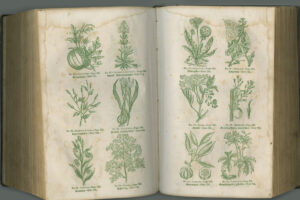
5 rules a crusader imposed on southern France in 1212
Simon de Montfort's 46-article rulebook policed who his knights hired, who noble widows married, and what people did on Sundays.
Continue →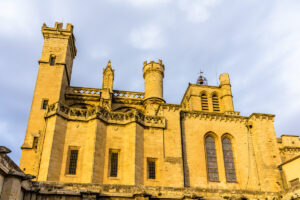
The Sutton Hoo purse held a coin collection, not pocket money
Its 37 gold coins each came from a different Frankish mint. Add three blanks and you get 40, the number of oarsmen on the ship.
Continue →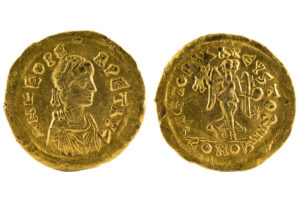
Medieval soldiers stopped arrows with a jacket made of cloth
Forget shining steel: for most medieval fighters, protection meant a quilted jacket of linen layers stuffed with rags or horse hair.
Continue →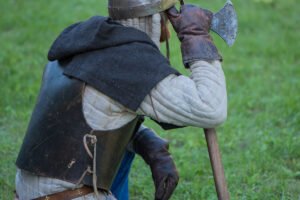
The castle that refused to surrender to England’s would-be French king
In 1216, rebel barons invited a French prince to take England's crown. Dover Castle, the Key to England, simply refused to fall.
Continue →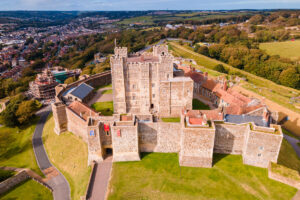
The real life of Dante, the poet Florence sentenced to death
Before the Divine Comedy made him Italy's supreme poet, Dante was a soldier, a politician and a fugitive his own city wanted dead.
Continue →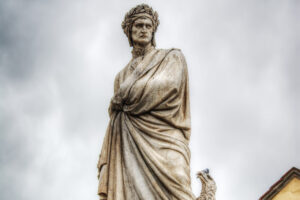
The Pied Piper of Hamelin may have been a medieval job recruiter
In 1284, 130 young people left Hamelin and never came back. The magic pipe is legend, but the man who led them may have been a recruiter.
Continue →
5 facts about the largest Anglo-Saxon gold hoard ever found
Almost 4,600 pieces, 5 kg of gold and no jewelry for women: the Staffordshire Hoard was a treasure built for war.
Continue →
The Sutton Hoo helmet was dug up in 500 pieces and rebuilt twice
Found crushed in a Suffolk ship burial in 1939, the iconic Anglo-Saxon helmet was rebuilt in 1946, then sawn apart and rebuilt again.
Continue →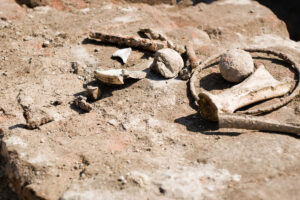
No, the Tower of London was never meant to be a prison
Its grim reputation came from 16th-century propagandists and a 19th-century novelist. In the Middle Ages, it was a palace, a mint and a zoo.
Continue →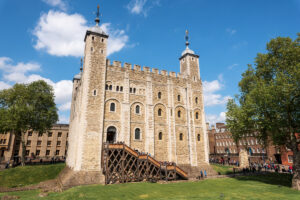
Nobody can read the Voynich manuscript, but it was heavily used
World War codebreakers failed to crack it, yet the worn pages of the Voynich manuscript suggest a practical handbook, not a secret grimoire.
Continue →